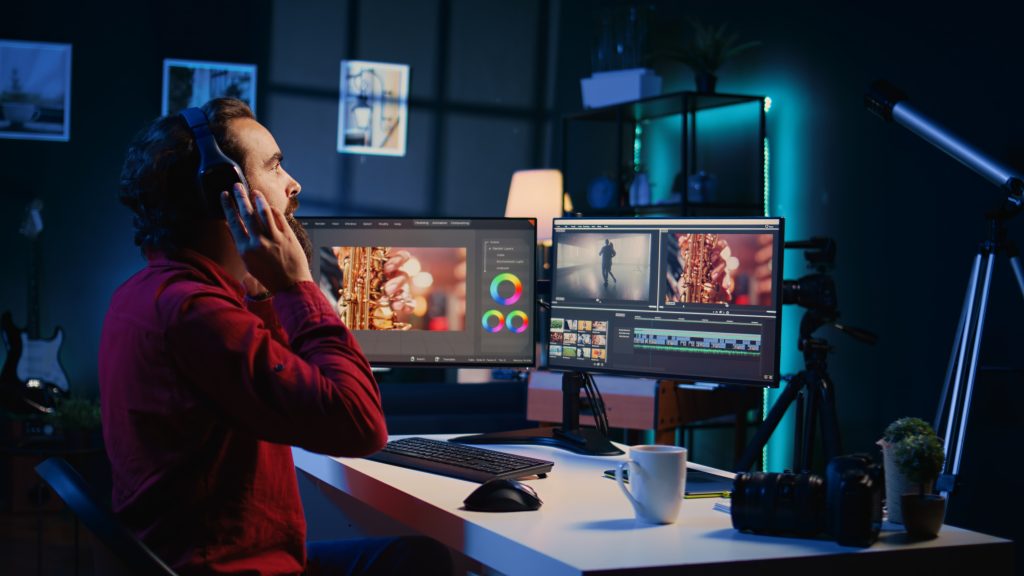
You shot the footage. The performances were great. The lighting worked. And yet, when you sit down to put it all together, something feels completely off. The scenes don’t flow. The emotion doesn’t land. The story feels flat.
This is the moment most beginners realise that filmmaking doesn’t happen only on set. It happens in the edit.
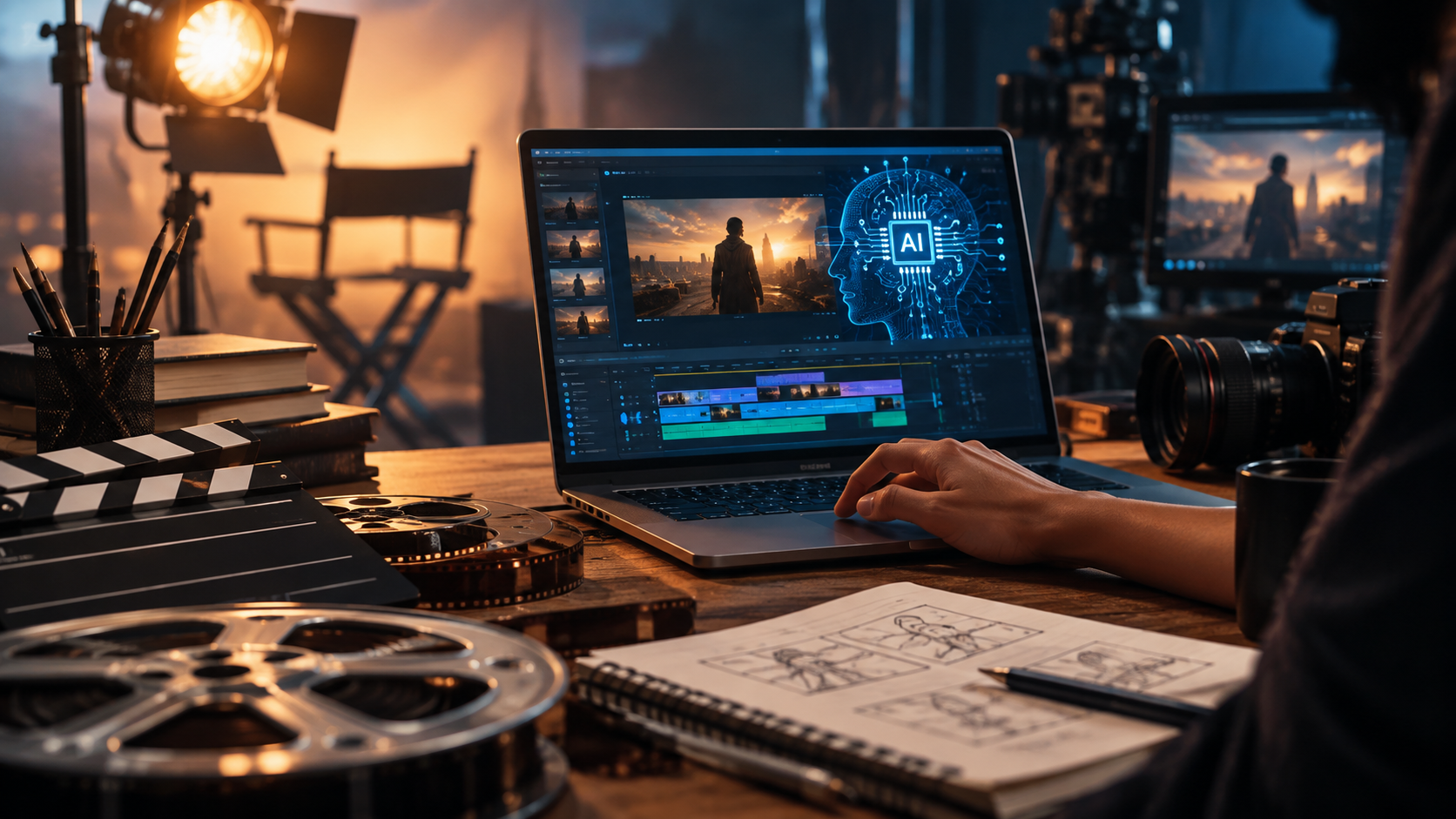
Editing is where your film truly comes to life, or quietly falls apart. It’s the invisible craft that audiences never consciously notice when it’s done well, but absolutely feel when it isn’t. At e-Drishyam, we’ve seen students walk in with stunning raw footage and struggle to string a coherent scene together, simply because no one has taught them the fundamentals of editing.
This blog is for exactly those students.
What Film Editing Actually Is (And What Most People Get Wrong)
There’s a common misconception that editing is just about cutting out the bad takes and stitching together the good ones. It isn’t.
Editing is storytelling. Every cut is a decision. Every transition carries meaning. The pace of your edit tells the audience how to feel, whether to hold their breath, lean in, or exhale. When you understand film editing techniques at this level, you stop being someone who operates software and start being someone who shapes emotion.
Here’s where things get interesting: some of the most powerful moments in cinema come entirely from editorial choices, not from what was written in the script or captured on camera. The famous Kuleshov Effect proved this nearly a century ago: show the same expressionless face followed by different images, and audiences read completely different emotions. The edit created the feeling. That’s the power you’re learning to wield.
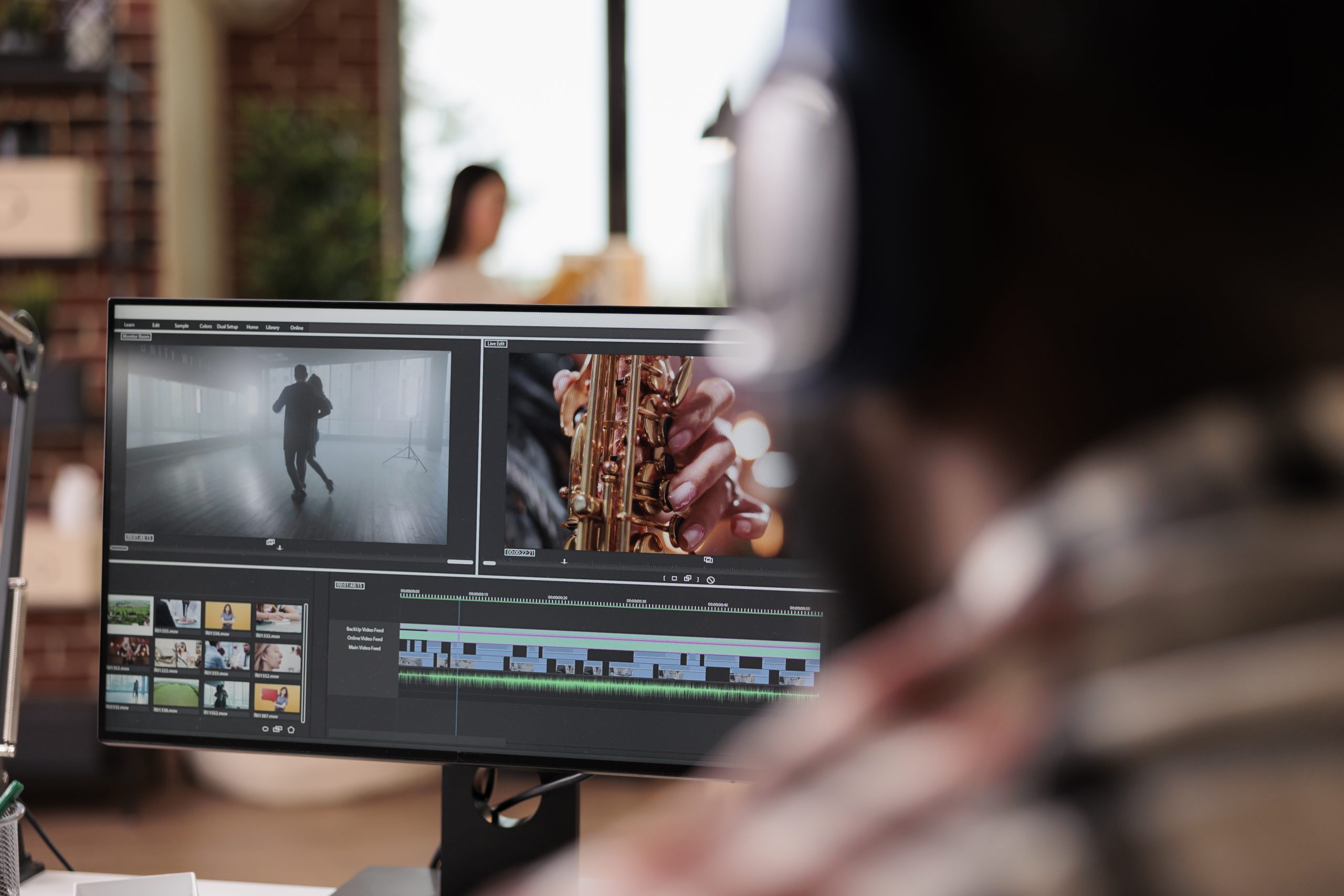
The Core Film Editing Techniques Every Beginner Should Master
1. The Cut, Your Most Essential Tool
The straight cut is the foundation of all film editing techniques. It’s an instantaneous transition from one shot to the next, and it does more work than any other technique in your toolkit.
What most beginners don’t realise is that a cut isn’t just about changing the image, it’s about controlling attention. You cut when the current shot has delivered its information, and the next shot advances the story. Cut too early, and the audience feels rushed. Cut too late, and you lose them to boredom.
A practical rule to start with: cut to the chase. When a character begins to move, reaching for a door, turning their head, raising their hand, make your cut mid-motion. The eye follows movement, and the brain stitches the two shots together seamlessly. This single habit will immediately make your edits look cleaner.
2. Jump Cuts, Not a Mistake, a Style Choice
The jump cut became famous through French New Wave cinema and has since become a deliberate stylistic tool. It removes time from a continuous shot of the same subject, creating a jarring, disorienting effect.
Used unintentionally, it screams rookie error. Used intentionally, it signals energy, urgency, or the fragmented nature of a character’s mental state. Understanding the difference and choosing deliberately is what separates a trained editor from someone who’s just figuring it out.
3. The Match Cut, Where Visual Intelligence Lives
A match cut transitions between two shots that share a similar composition, shape, colour, or movement. Think of the iconic bone-to-spaceship cut in 2001: A Space Odyssey, arguably the greatest match cut in cinema history. One object dissolves into another, and thousands of years pass in a single frame.
This is one of those film editing techniques that requires you to think visually before you even press record. You have to plan for it. When students at e-Drishyam begin working on real productions, this is often where the penny drops; editing and production design are not separate conversations. They inform each other constantly.
4. Cutaway and Insert Shots, The Editor’s Safety Net
A cutaway takes the audience away from the main action to show something related, a reaction, an object, or a parallel scene. An insert is tighter: it draws attention to a specific detail within the scene, like a hand picking up a letter or a clock showing the time.
These are practical techniques that solve real editorial problems. Running short on usable footage? A well-placed cutaway gives you breathing room. Need to skip time without a jarring cut? Cover it with a cutaway. Want to build tension? Insert a shot of what the character is afraid of.
In our experience working with beginners, most editing problems can be fixed by simply having enough coverage: wide, medium, close-up, and insert shots. The editor who also understands cinematography always has more to work with.
5. The L-Cut and J-Cut, Audio That Leads the Eye
These two film editing techniques involve intentionally letting your audio and video tracks fall out of sync.
In a J-Cut, the audio from the next scene begins while you’re still watching the current scene. It pulls you forward, creating anticipation. In an L-Cut, the audio from the current scene continues into the next shot. It creates continuity, a sense that life carries on beyond the frame.
Watch any well-edited dialogue scene closely, and you’ll find L-cuts and J-cuts everywhere. They’re the reason conversations feel natural on screen rather than mechanically alternating between faces. Mastering these will instantly elevate how your edits feel.
6. Montage, Condensing Time and Building Meaning
The montage is one of the oldest and most powerful film editing techniques. Through a sequence of images and clips, often accompanied by music, you can compress time, establish character, build emotion, or transition between story beats.
A training montage. A travel sequence. A character preparing for battle. These aren’t lazy shortcuts; when executed with intention, they’re among the most emotionally efficient tools in storytelling. The key is rhythm; your cuts should breathe with the music or the underlying emotional beat you’re trying to create.
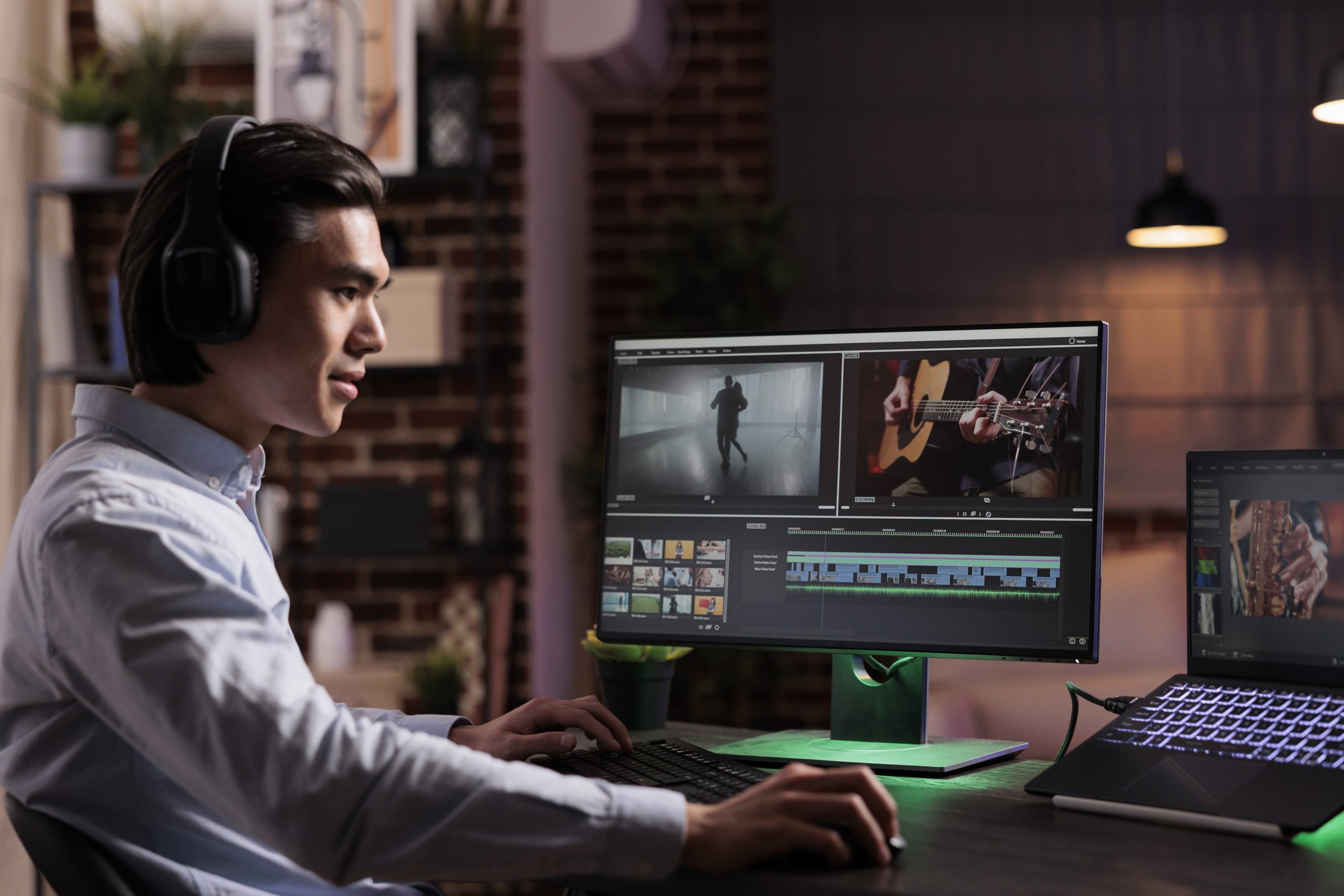
The Invisible Skill: Pacing
You can know every technique on this list and still produce an edit that doesn’t work, because pacing is the invisible thread that holds everything together.
Pacing is not about cutting fast or slow. It’s about cutting at the right moment for the story you’re telling. An action sequence demands rapid cuts. An emotional confrontation might hold on a face for what feels like an uncomfortably long time, and that discomfort is entirely intentional.
Learning to feel pacing comes with practice and with watching great films with a critical eye. The moment you start watching scenes and consciously thinking about why a cut happened where it did, your instincts begin to sharpen.
Practical Advice for Beginners Starting Out
Start with short-form content. Edit a 2-minute short film before you attempt a feature. Constrain your canvas and learn the grammar. Get comfortable with your editing software, whether that’s DaVinci Resolve, Premiere Pro, or Final Cut, but remember that the software is just the instrument. Technique and storytelling sensibility are what matter.
And study. Watch films the way editors watch films, paused, rewound, frame-by-frame if you have to. Analyse what each cut is doing and why.
The Bigger Picture
Film editing is one of those disciplines where you can learn the basics in weeks and spend a lifetime mastering the craft. The fundamentals we’ve covered here, straight cuts, jump cuts, match cuts, L and J cuts, montage, and pacing, are the foundation of every great edit you’ve ever watched.
At e-Drishyam Entertainment & Film School, we teach these film editing techniques not in isolation, but as part of the full language of filmmaking. Our students don’t just learn how to use software; they learn how to think like storytellers. If you’re serious about building a career in film and want structured, hands-on training from industry professionals with decades of real experience, we’d love to show you what that journey looks like.
Book a free demo lecture and take the first real step toward the edit suite.