Ask a film student what their first professional credit will be, and most still picture a feature, or at least a polished web series. Ask what they watched on their phone last night, and the answer is usually a 90-second episode that ended on a cliffhanger. That gap is where the next generation of Indian filmmakers is finding work. Not every filmmaker will get a feature. But a well-built short filmmaking course can now put you in front of a real audience within months, not years.
Here’s where things get interesting. Vertical, phone-first storytelling is no longer a curiosity. It’s a format with money, platforms and a hunger for new voices.
Why Vertical Storytelling Matters Right Now
A vertical series is a scripted show designed natively for the 9:16 phone screen, with episodes typically running 60 to 120 seconds. Globally, revenue from micro-drama apps jumped from about US700 million a year ago, according to figures cited by Deloitte.
India is not watching from the sidelines. Kuku TV has crossed 170 million downloads, and JioStar has launched free micro-dramas during IPL 2026, which brings a major broadcaster directly into the format. Analysts still describe the
Indian market as exploratory, and one production house projects it could reach ₹4,000 crore. Treat that figure as a company’s forecast rather than settled fact. The direction, though, is clear: platforms need a steady supply of stories, and they need people who can shoot them well.
What Makes Short-Form Different (and Harder Than It Looks)
What most people don’t realise is that short doesn’t mean easy. A 90-second episode has no room for a slow first act. You have seconds to hook the viewer and a few more to land an emotional beat, and you must end on a reason to tap “next.”
That compresses every skill a filmmaker needs:
- Writing: every line has to do double duty, advancing plot and revealing character.
- Direction: performances must read instantly on a small screen.
- Editing: rhythm matters more than coverage.
- Sound: most people watch on phone speakers or cheap earphones, so clean dialogue is non-negotiable.
This is why short-form is such a good training ground. Everything is stripped down to fundamentals, and mistakes show up immediately.
How to Make a Vertical Short Film: A Practical Walkthrough
If you’re wondering how to make a vertical short film without a big crew, start here. These choices separate a phone video from a piece of cinema.
Write for the frame, not around it
Vertical space is tall and narrow. Two people in a wide two-shot lose impact, so lean on faces, hands, doorways, staircases and objects that use height. Write scenes that suit one or two characters at a time.
Frame with intent
Shoot natively in 9:16 instead of cropping a horizontal shot later, because cropping wastes resolution and ruins your composition. Keep eyes in the upper third, watch your headroom, and remember that platform interfaces often cover the bottom and right edges with captions and buttons. Keep critical faces and text away from those zones.
Build the hook and the hanger
Open with a moment that raises a question: a slap, a lie, a phone call nobody wants to answer. Close with a turn that makes the next episode feel urgent. Writers call this the cliffhanger, and in vertical storytelling it is the whole business model.
Protect your sound
Record dialogue close and clean. A great shot with muddy audio will lose viewers faster than a modest shot with crisp voices. Even a basic sound design pass, with room tone, a few effects and balanced levels, makes a short feel professional.
Shoot in batches
Production houses that specialise in this format treat long series like repeatable systems: fixed sets, batched scenes and consistent lighting so many episodes can be shot in a single block. You can borrow this on a student budget. Pick two or three locations, plan your days by location rather than by episode, and keep your lighting setup consistent.
Where Your Work Can Actually Go
Making the film is half the journey. Distribution is the other half, and short-form gives you more doors than most formats.
Student film festivals are still one of the best early stages. They give you a screening, feedback from people who watch films seriously, and a credit that means something on a portfolio. Check each festival’s rules on runtime, format, and eligibility before you shoot, since some have specific requirements.
Social platforms such as Insta Reels and YouTube Shorts let you test ideas with a real audience for free. A series that builds a following becomes a pitch in itself.
Platform commissions and partnerships are how traditional filmmakers typically enter the micro-drama market, so a strong showreel of vertical work matters.
What to Look for in the Best Film School for Short Films
Every institute will claim to be the best film school for short films. Cut through the marketing with a few honest questions.
- Will you finish films? Look for programs built around live projects, not just lectures.
- Who teaches? Faculty currently working in film, television, OTT or advertising understand how the industry actually operates.
- Is the training practical? Hands-on time with cameras, sound and editing beats theory-heavy schedules.
- Is there a route to the industry? Placement support, internships and industry connections matter more than a glossy brochure.
- Does the format suit your life? A short-term option lets you build a portfolio quickly, whether you’re a beginner or already working.
Your First Vertical Project: A Simple Plan
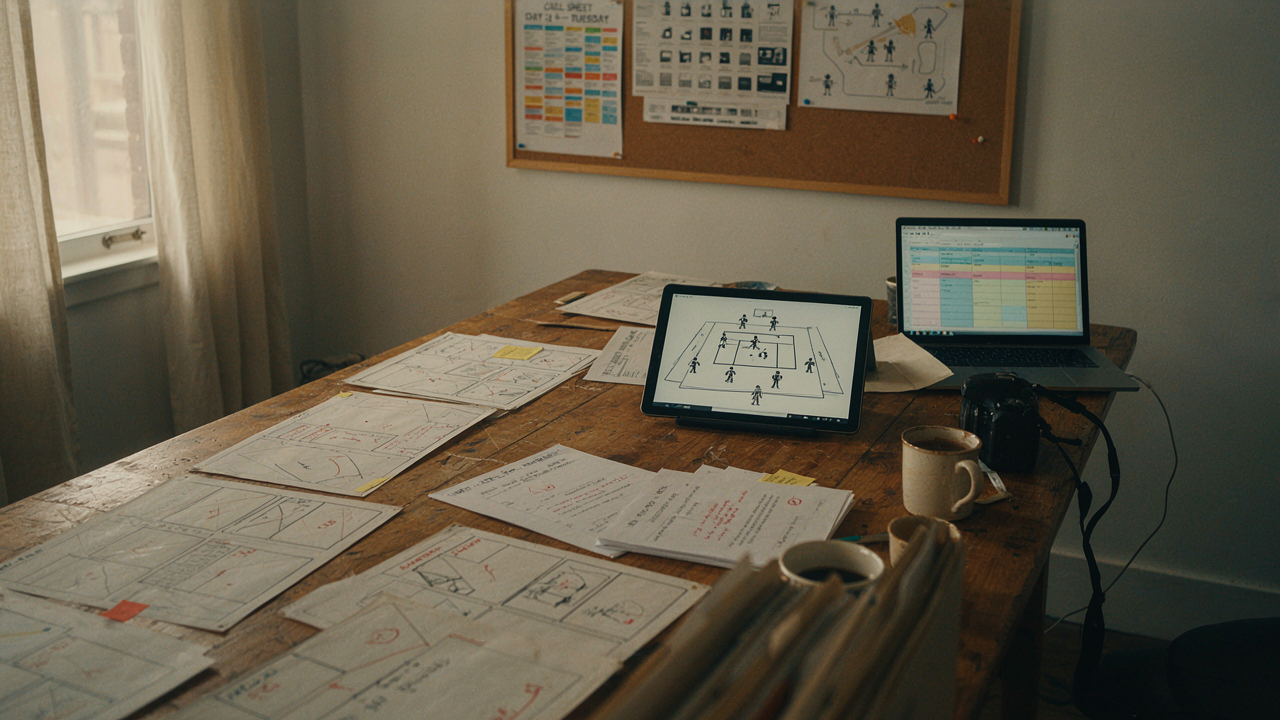
You don’t need to wait for a course to start. Write a three-episode story, each episode about a minute long, with one location and two characters. Shoot it in a single day. Edit it with hard cuts and a cliffhanger at the end of each episode. Show it to five people and watch where their attention drops. Then go again.
That loop of write, shoot, cut, watch and fix is the real education. Everything else is structure that helps you do it faster.
Where to Build the Foundation
Vertical and short-form storytelling have lowered the entry barrier, but not the quality bar. The filmmakers who stand out will be the ones who combine phone-native instincts with real craft in direction, cinematography, sound and story.
At e-Drishyam in Thane West, our short-term programs in filmmaking, cinematography, sound design and ad filmmaking are built around exactly that mix of practical, hands-on learning guided by working professionals. If you’re comparing short filmmaking courses, book a free demo lecture and see how we teach. Bring a story idea with you. That’s usually where the best conversations begin.