A Hindi film plays in Telugu, and the actor’s lips actually match the words. A Bengaluru company, NeuralGarage, has demonstrated exactly this kind of seamless AI dubbing, and its technology powered the Telugu dub of a Yash Raj film. For decades, badly synced dubbing was accepted as part of Indian cinema. Now it is a solvable problem. That is AI in filmmaking at its most practical, and it is already inside Bollywood’s release pipeline.
If you are a film student in Thane, Mumbai or anywhere else in India, the question isn’t whether this affects your career. It’s which parts of your training will still matter when you walk onto a set or into an edit suite.
Where AI in Filmmaking Is Already Working in Bollywood
Most of the noise about AI is about robots replacing directors. The reality inside studios is less dramatic and more useful to understand.
Dubbing and localisation. Indian studios are dubbing across 22+ languages with AI. For a country where a film often has to travel between languages to become a hit, that changes distribution economics.
Pre-visualisation and world-building. Aanand L. Rai used AI for pre-visualisation on Tere Ishk Mein. Shakun Batra says actors can still be shot traditionally, while AI handles environments or sequences that once needed enormous budgets. Producer Danish Devgn says his team uses generative AI mainly in early development, for concept art, environments, character design and battle sequences.
Cost and speed. The big claim comes from Collective’s AI studio, Galleri5. Its head says costs in genres like mythology and fantasy have dropped to about one-fifth of traditional filmmaking. That’s a studio’s own figure, and it applies to specific genres, so treat it as a signal rather than a universal rule. Still, when a number like that circulates, budgets and hiring follow.
The Part Nobody Should Ignore
Here’s where things get interesting, and a bit uncomfortable. Director Anurag Kashyap has voiced concern about AI’s growth in Indian filmmaking and the lack of guardrails. One studio re-released a hit with an AI-modified ending, and the original creative team objected loudly.
Audiences haven’t been easy on AI-heavy work either. Viewers have often reviewed AI content harshly, even when it sells. What most people don’t realise is that this gap, between what is cheap to produce and what audiences actually connect with, is where trained filmmakers become more valuable, not less.
What Film Students Should Actually Learn
Chasing every new app is the wrong response. Here’s what we’d put first.
1. Story and script sense, before any prompt
A tool can generate a hundred images in an hour. It cannot tell you which one serves the scene. Scriptwriting, structure and character work decide whether AI output becomes cinema or just content. Students who write well will direct AI well. Students who don’t will get polished-looking emptiness.
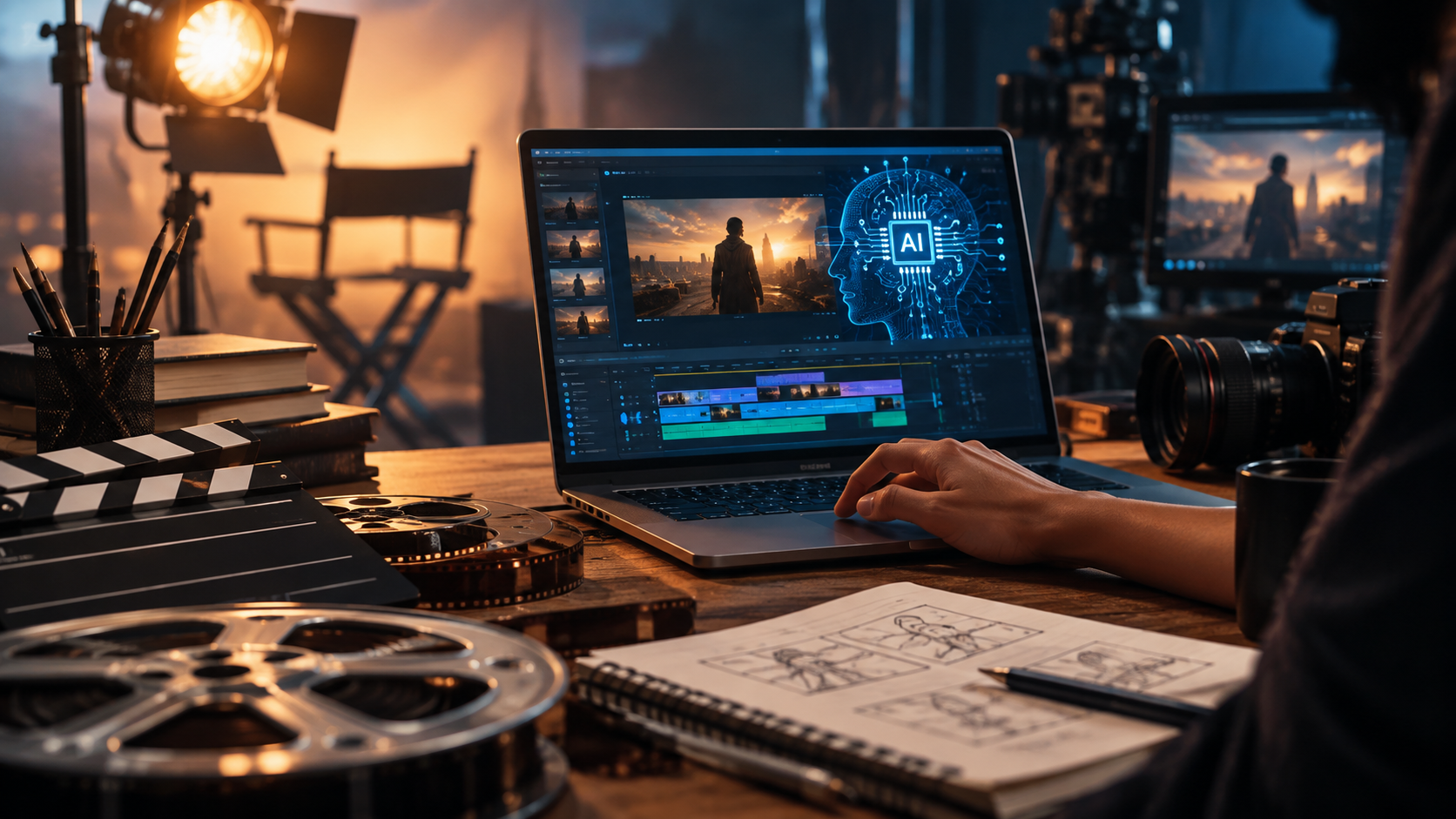
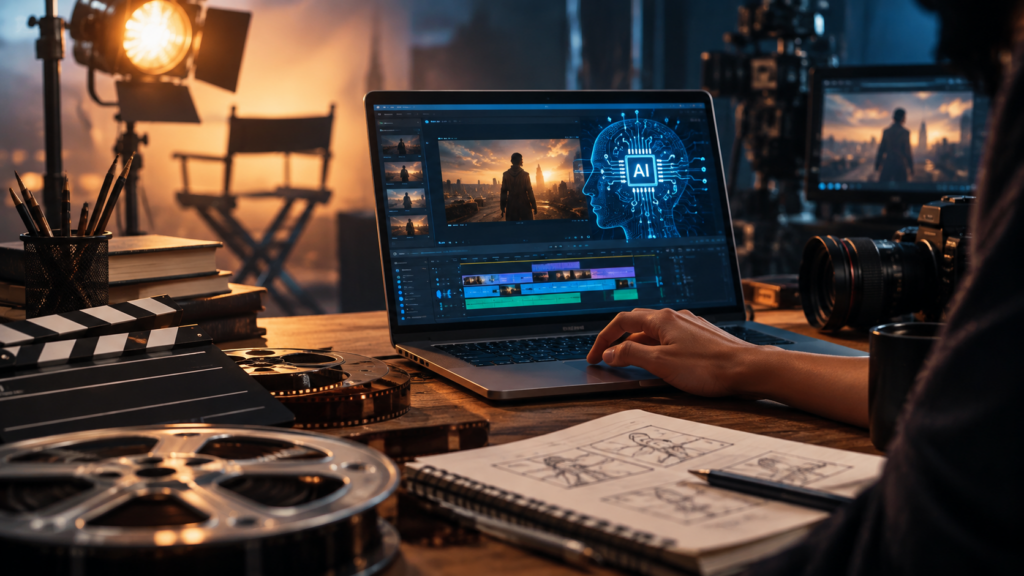
2. A working knowledge of AI tools for filmmakers
You don’t need to master every platform. Learn the categories and where each fits in a real workflow:
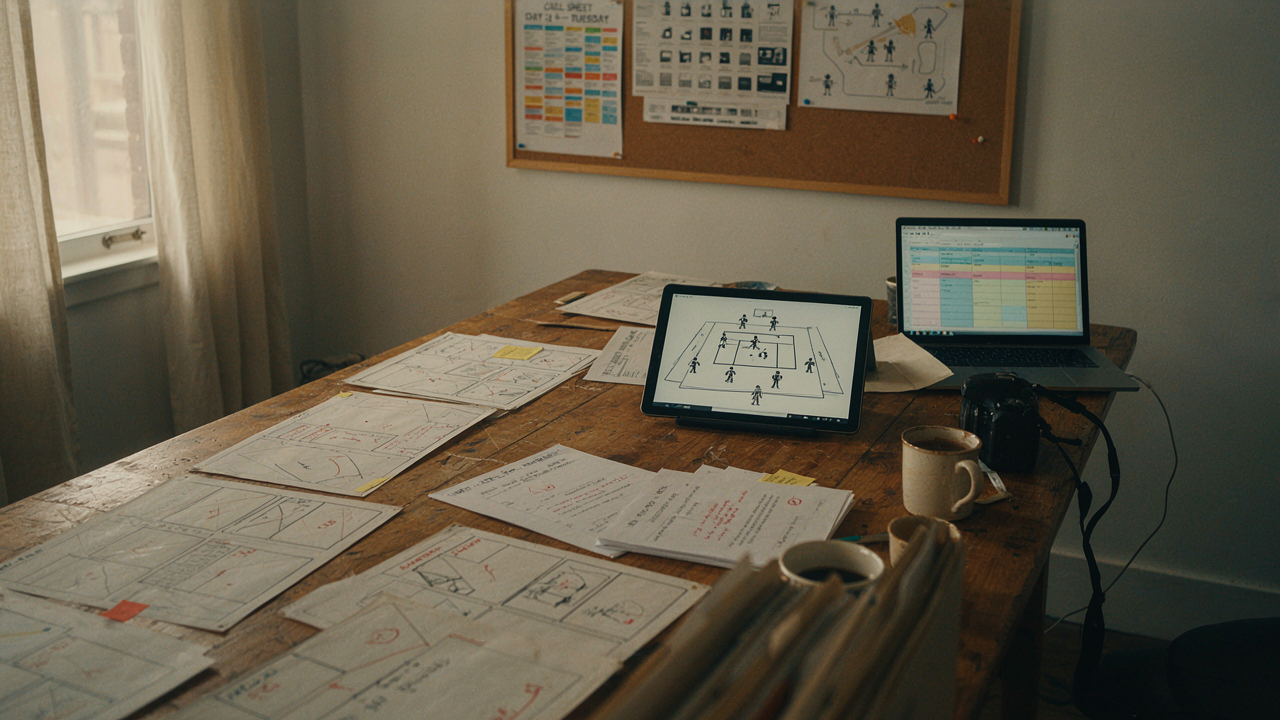
- Concept art and storyboarding for pitching and planning shots
- Pre-visualisation for blocking sequences before spending on a shoot
- Video-generation tools, such as Google’s Veo 3 and Flow, which Shakun Batra used for a five-part series, for experiments and environments
- Dubbing, voice and localisation tools
- Editing, cleanup and audio-enhancement assistants
Tools will change every few months. The habit of testing one, judging it critically and folding it into a pipeline is the skill worth having.
3. The craft AI can’t fake
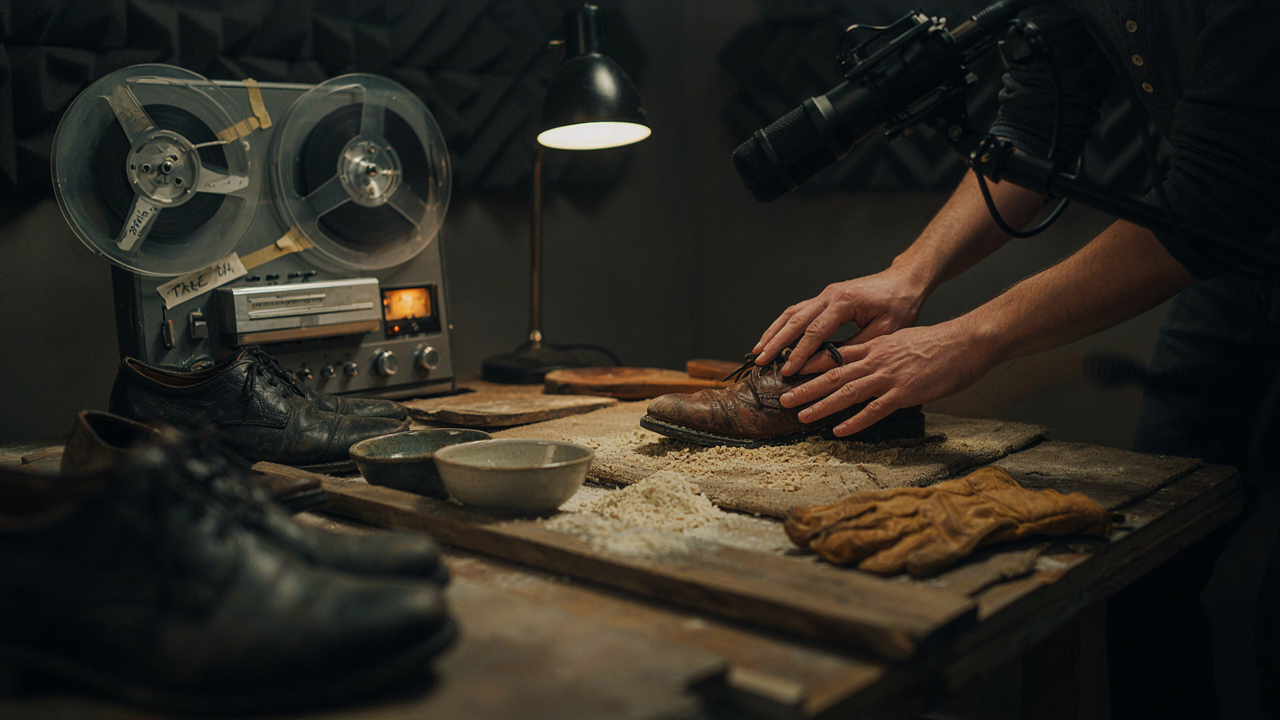
Directing actors, framing a shot with intent, building a soundscape, cutting on emotion: these are still human calls. Sound design is a good example. AI can clean and generate audio, but deciding what silence does to a scene takes an ear trained by practice. The same goes for ad filmmaking, where a 30-second spot depends on tight judgment about every frame.
4. Rights, consent and ethics
This is the topic most courses skip, and every producer will eventually face. Legal protections around a performer’s likeness and voice are evolving, and future regulations are expected to be shaped by litigation. A filmmaker who understands consent, credit and licensing avoids costly mistakes. It also becomes a genuine advantage on professional sets.
How to Judge an AI Filmmaking Course
Every institute will now advertise an AI filmmaking course. Before you sign up, ask a few blunt questions.
- Does it build on fundamentals? A course that teaches prompts without teaching shot design is a software tutorial.
- Are the instructors working professionals? AI in filmmaking moves fast, and people currently on projects will know what actually survives contact with a deadline.
- Will you make something? Live projects and finished work teach more than slide decks.
- Does it cover ethics and rights? If it doesn’t, keep looking.
- Is it honest about limits? Anyone promising that AI will make you an instant director is selling, not teaching.
A Practical Way to Start This Month
You don’t need permission or a big budget to begin. Pick one short scene you have written. Storyboard it with an AI tool, then storyboard it by hand. Compare the two. Dub a short clip into another language. Write down what worked, what felt hollow, and what you would change as a director. Within a few weeks, you’ll have a clearer sense of where these tools help your voice and where they flatten it.
Notice that in all of this, the judgment is yours. Industry watchers expect AI-assisted filmmaking to become standard practice over the next decade, and the people who thrive will be those who can direct the technology rather than be directed by it.
Where This Leaves You
The students who stay relevant in 2026 won’t be the ones who know the most apps. They’ll be the ones who can tell a story, lead a set, shape a sound and then use AI in filmmaking where it genuinely saves time or opens a door: craft first, tools second, ethics throughout.
At e-Drishyam, that’s the mindset behind our practical, industry-led approach to filmmaking, acting, scriptwriting, sound design and ad filmmaking, taught by faculty who work in film, television and advertising. If you’re weighing where to build these foundations in Thane, book a free demo lecture and see how we teach. Come with your questions about AI, too. We’d like to hear them.