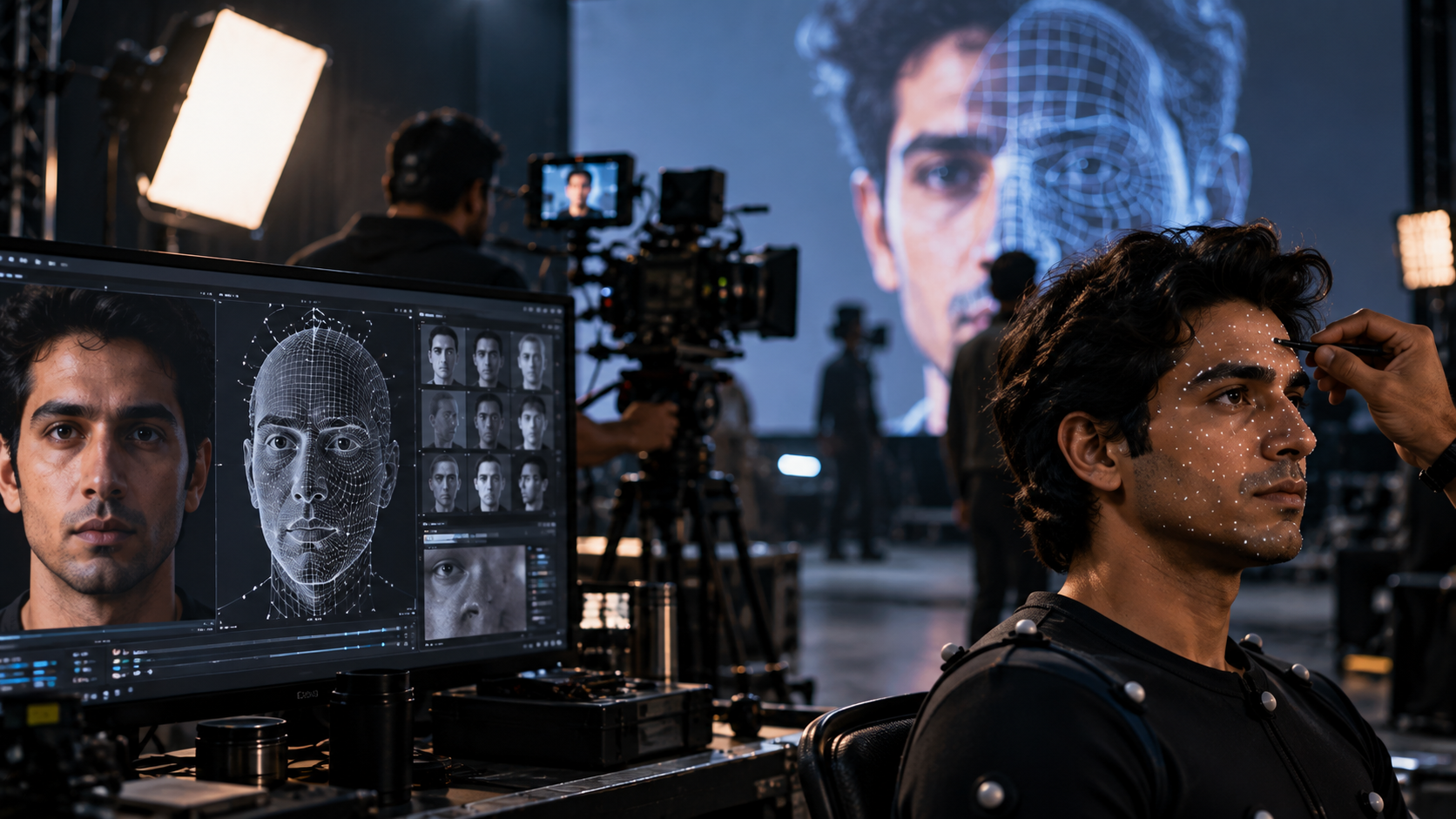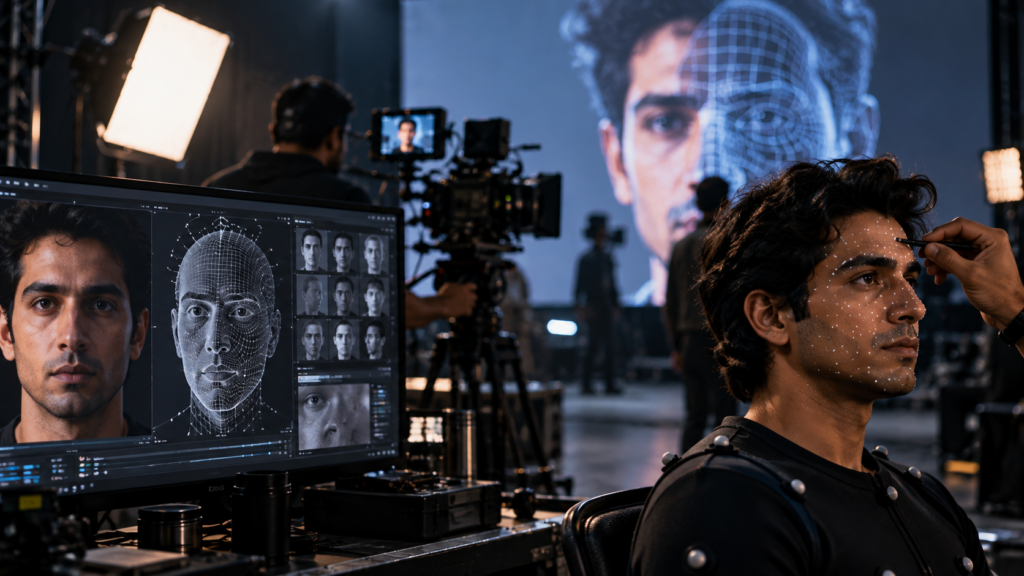
Picture this. You open Instagram and find yourself in an ad. It has your face, your voice and the slight tilt of your head when you smile, and you’re selling a product you’ve never touched. You never shot it, and nobody asked you. For actors and filmmakers, this is no longer hypothetical, and the legal concept designed to address it is personality rights. In India, courts are defining those rights in real time, one courtroom at a time.
What Are Personality Rights, Really?
Think of your name, face, voice, mannerisms and signature style as your professional identity. Personality rights give you control over how that identity is used, especially commercially. No one can borrow it, imitate it, or use it in a campaign without your say-so.
Most people don’t realise these rights aren’t only about fame. They’re about consent and control. A well-known actor and a first-year acting student both have a face and a voice worth protecting, even if only one has the legal muscle to pursue misuse claims right now.
No Single Law, But the Courts Are Filling the Gap
Here’s where things get interesting. India has no dedicated personality rights statute. Courts have built protection by drawing on privacy, passing off, and related principles, which protect a celebrity’s name, image, voice, and persona from unauthorised and AI-driven misuse, even without a dedicated statute.
The pace of recent orders shows how seriously the judiciary is taking this:
- The Bombay High Court’s 2024 order for Arijit Singh was India’s first AI voice-cloning injunction.
- In February 2026, the Delhi High Court granted Kajol interim protection against AI misuse and deepfakes.
- In May 2026, Justice Tushar Rao Gedela passed an ad-interim injunction for Arjun Kapoor, covering AI-generated deepfakes and obscene content.
- In July 2026, the Delhi High Court restrained several online entities from using Ravi Kishan’s name, image and likeness through AI and deepfakes.
One caution: these are mostly interim orders. They show where the courts are heading, but they aren’t final adjudications.
It’s Not Only for Superstars
The case that matters most for newcomers is Akira Nandan v. Sambhawaami Studios. An AI film on YouTube allegedly portrayed him as the lead character using AI-morphed visuals and voice patterns, without his consent. The Delhi High Court’s decision clarified that non-celebrities with a “noticeable presence” in entertainment can also qualify for protection.
If you’re building a film career, that threshold is lower than you might think.
What the Law Says About Deepfakes Specifically
Court orders protect individuals. Platform rules determine how quickly harmful content comes down.
In February 2026, MeitY notified amendments to the IT Rules that explicitly bring synthetically generated information, including deepfakes, within the due diligence framework. In practice, Rule 3(3) requires synthetic content to be prominently disclosed and labelled. Platforms that don’t comply risk failing their safe harbour protection under Section 79 of the IT Act, and some categories of content face a three-hour takedown on an authorised request.
So there are now two routes. You can go to court for an injunction against the people misusing your identity, and you can push platforms to act under the IT Rules.
What This Means for Actors
Your contract is your first line of defence. Many actors sign agreements without reading the clause on “digital likeness” or “all media, now known or later developed.” That wording can quietly hand over the right to recreate your face or voice with AI. In our experience, new actors worry about pay and credit and skip the fine print.
Before you sign, check three things:
- Whether your likeness or voice can be used beyond the project you were hired for
- Whether the producer can create synthetic versions of you, such as digital doubles or cloned dialogue
- Whether any AI use needs your separate, written consent
Your voice deserves the same attention as your face. Cloned voices are among the most common deepfake abuses, and the Arijit Singh order shows courts treat them as a serious violation.
Keep a record of your work. Save dated originals, release forms and screenshots of anything suspicious. If you ever need to prove a clip is fake or unauthorised, a documented trail makes the case far easier.
What This Means for Filmmakers
If you direct or produce, the question flips. It’s no longer only “Is my cast protected?” but “Am I exposing myself to a claim?”
Using an AI tool to recreate a real actor’s face, mimic a known voice or generate a lookalike can land you in court, even when you meant it as homage or a budget shortcut. The Akira Nandan case involved a studio and a film. The creators of the content were the defendants.
A few habits will keep you safe:
- Get written consent for any AI-assisted use of a real person’s face, voice or style, and spell out the scope.
- Label synthetic content clearly. The new IT Rules push in this direction anyway, and transparency protects your credibility.
- Be careful with “inspired by” work. If an audience would reasonably believe it’s a specific real person, you’re in risky territory.
- Check your AI tools’ terms. Know what training data and likeness rights they claim.
This also matters for sound. Voice work, dubbing, and ADR are increasingly vulnerable to cloning, so sound designers and editors need to understand consent as much as they understand the software.
The Bigger Picture: AI Is a Tool, Not a Loophole
None of this means filmmakers should fear AI. Used well, it can speed up pre-visualisation, clean up audio and open creative doors that were too expensive five years ago. The line is consent. A tool that helps you tell a story is a creative asset. Borrowing someone’s identity without asking is a liability.
The industry is moving toward clearer norms, and studios and clients will trust the filmmakers and actors who understand them early.
Where This Leaves You
Personality rights law is still taking shape, and it will keep changing as courts decide more cases and platforms tighten their rules. What won’t change is the basic principle that your identity is your professional asset. Protect it in your contracts, document your work and respect other people’s likeness in your own projects.
If you’re starting in acting or filmmaking, the craft is only half the story. The other half is knowing how the industry actually works, including the rights and risks that come with it. At e-Drishyam Entertainment & Film School in Thane, the focus is on hands-on training from people who’ve worked in the industry. If you’d like to see what that looks like, you can book a free demo lecture and talk to our team.
This article is general information, not legal advice. For a specific contract or dispute, consult a qualified IP or entertainment lawyer.