You’ve got the creative bug. You want to work in media, tell stories, maybe see your name flash across a screen someday. But here you are, stuck at the fork in the road, Filmmaking or Mass Communication?
Everyone around you has an opinion. Parents want something “broad.” Friends are picking whatever sounds safer. College counsellors are pushing the degree because of its better placement statistics. And somewhere in the middle of all that noise, your actual passion is quietly waiting to be heard.
Here’s the thing: this isn’t really a debate about which field is “better.” It’s about which path is right for you. And making that call with clarity requires understanding what each actually delivers, not on paper but in the real world of studios, sets, and production houses.
What Mass Communication Actually Covers
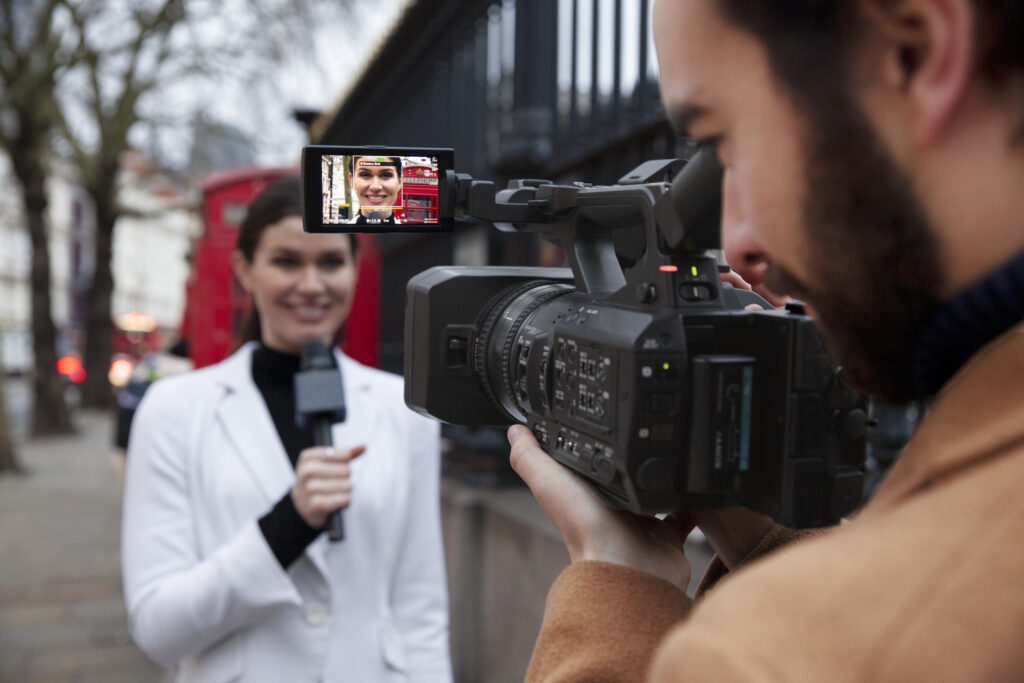
Mass Communication is often described as an umbrella course, and that description is accurate. It typically spans journalism, public relations, advertising, digital media, broadcasting, and yes, a thin slice of film studies.
The degree is designed to give you width. You graduate knowing a little about a lot, how media works, how audiences consume content, the basics of production, and the theory behind communication. For students who are genuinely undecided about their direction, that breadth can be useful.
But here’s where it gets interesting: most Mass Communication graduates who eventually end up in film, OTT content creation, or direction find themselves needing to unlearn quite a bit and relearn from the ground up. The theory-heavy curriculum rarely prepares you for the weight of a camera in your hand, the chaos of a live shoot, or the sharp decisions required on a real set.
What a Filmmaking Course Actually Delivers
A dedicated filmmaking course is built for one thing: to make you a filmmaker. Everything from the curriculum design to the mentors in the room is aligned toward that single outcome.
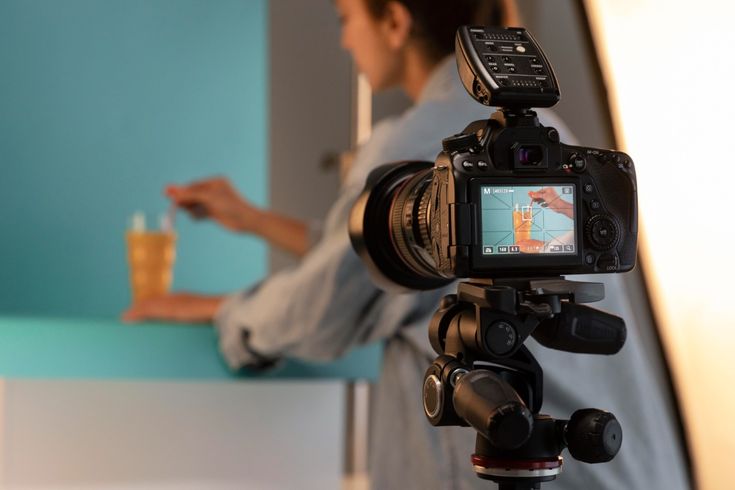
At institutions like e-Drishyam Entertainment & Film School, a filmmaking course in Mumbai covers direction, cinematography, editing, sound design, screenwriting, and production management, not as isolated subjects but as interconnected crafts that you practice together. The focus is almost entirely practical. You’re not just learning what a shot reverse shot is; you’re setting it up, lighting it, shooting it, and reviewing it the same week.
What most people don’t realise is that the gap between “I studied media” and “I can make a film” is enormous, and only one of these paths actively closes it.

The Curriculum Gap: Theory vs Craft
This is the core of the debate, and it deserves a direct answer.
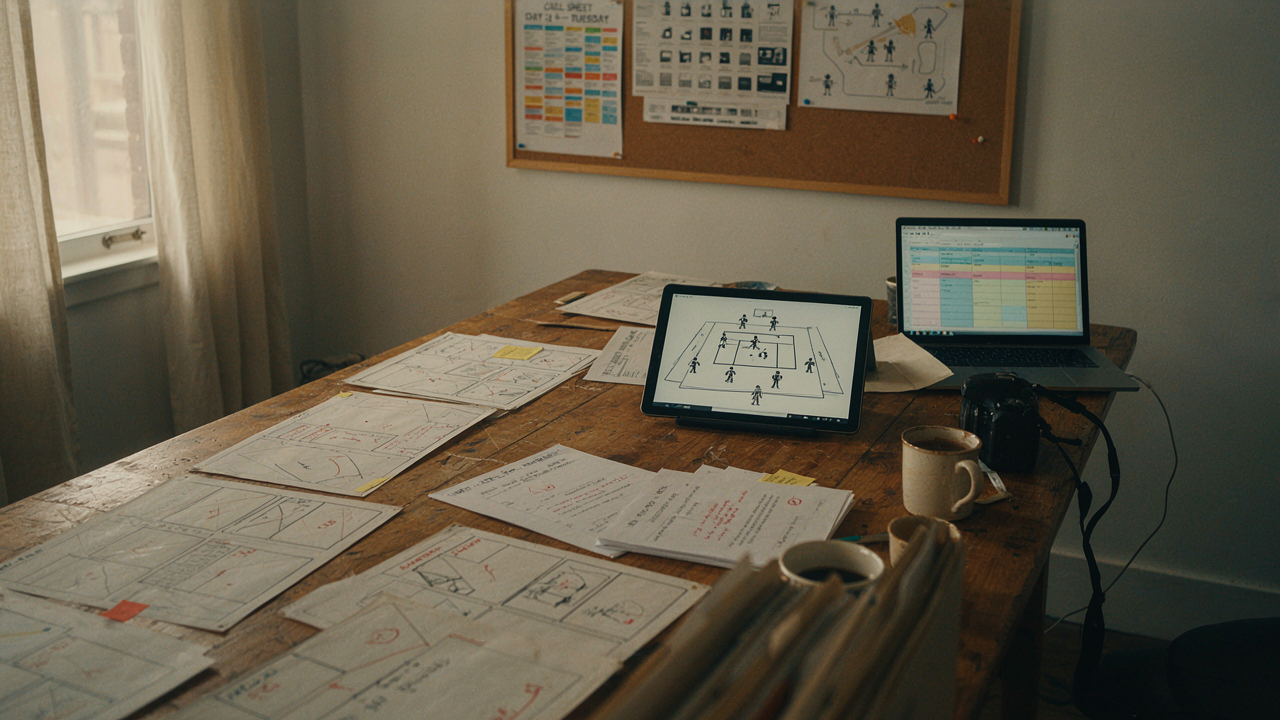
Mass Communication degrees are largely academic in structure. You’ll write papers on media theory, study communication models, and analyse how broadcast journalism works. The practical components exist, but they’re often secondary to the theoretical framework.
A focused film-making course in Thane or Mumbai, on the other hand, is structured around outputs. You’re expected to shoot, edit, and present work from early in the program. Faculty aren’t just educators; at e-Drishyam, they’re active industry professionals with 20+ years on real sets and in real production houses. That changes what gets taught and, more importantly, how.
By the time you’ve completed a filmmaking program, you have a portfolio. By the time you’ve completed a Mass Communication degree, you have a transcript.
In the industry, the portfolio opens doors.
Career Outcomes: Where Do You Actually End Up?
With a Mass Communication degree, you might enter journalism, work in a PR firm, join an advertising agency, or land a role in a media company’s content or marketing team. These are legitimate, stable careers, but they’re rarely the ones that come to mind when someone says, “I want to work in film.”
If your goal is to direct, work in cinematography, edit feature films, produce ad films, or build a career in the OTT content space, then mass communication is a longer, more indirect route.
With a filmmaking qualification, you enter with specific, demonstrable skills. You can assist on a film set, work in post-production, pitch your own short film, collaborate with brands on ad content, or join a production house in a real creative capacity. The career trajectory is steeper and more direct.
It’s also worth noting that the Indian film and OTT landscape has expanded dramatically. Platforms like Netflix, Amazon Prime, and Sony LIV are actively producing original Indian content, which means the demand for trained filmmakers, editors, sound designers, and directors has never been higher. A filmmaking course in Mumbai places you directly inside that ecosystem.
When Mass Communication Makes Sense
To be fair, there are students for whom Mass Communication is genuinely the right call.
If you’re unsure whether filmmaking is your long-term direction, a broader Mass Communication degree gives you time to explore. If your interest lies specifically in journalism, digital marketing, or media management, rather than production, then the wider curriculum is better suited to your goals.
Some students also choose to combine both: a Mass Communication degree followed by a specialised filmmaking course. That’s a strong combination, the theoretical understanding of media paired with the practical ability to create it.
The Mumbai and Thane Advantage
If you’re based in or around Mumbai, you’re sitting at the centre of India’s film and entertainment industry. Every production house, every studio, every OTT platform has a presence here. That proximity matters enormously when it comes to internships, industry connections, and entry-level opportunities.
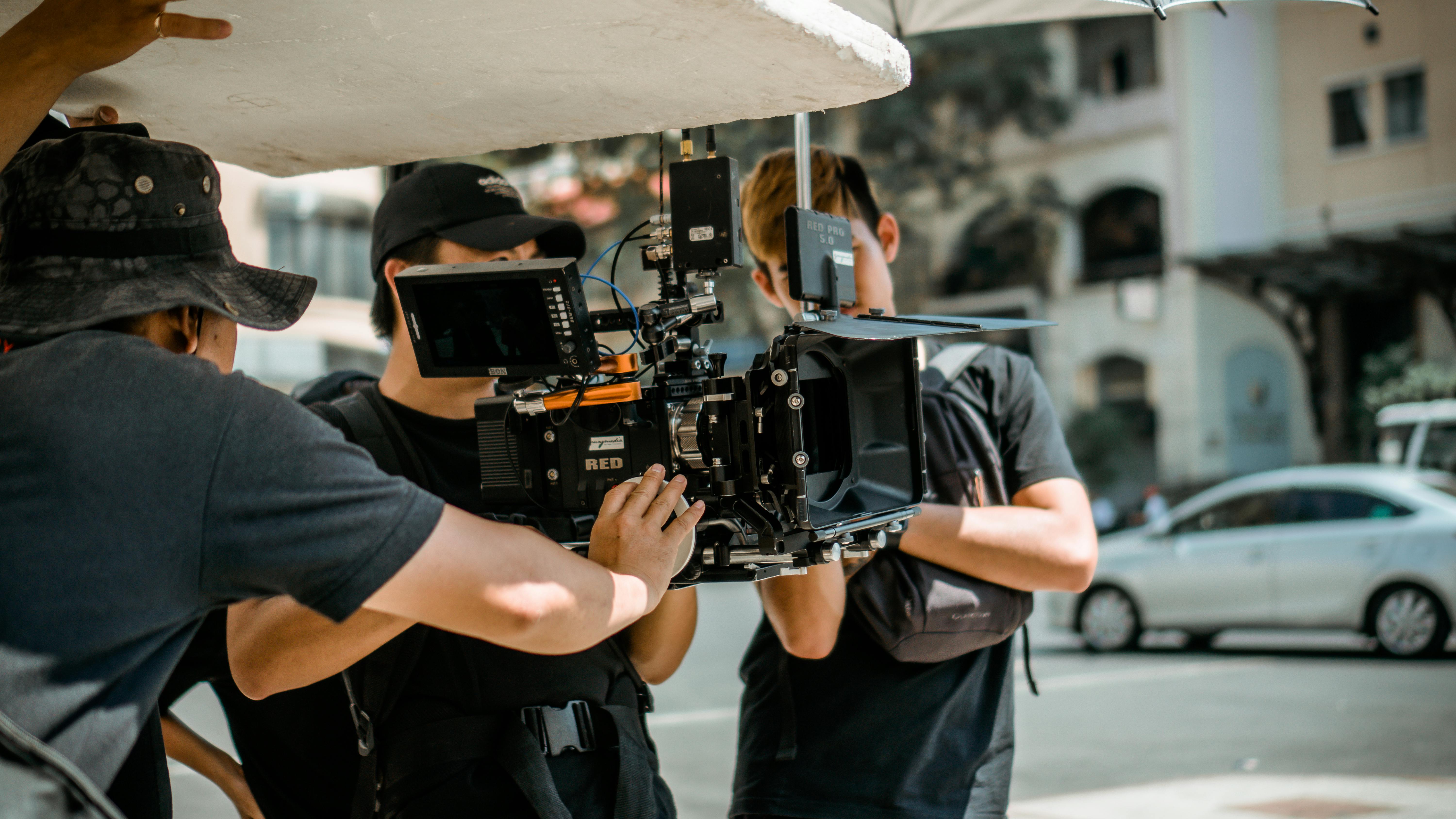
Choosing a filmmaking course in Thane or Mumbai means your training happens in the same city where your career begins. At e-Drishyam, located in Thane West near the railway station, students don’t just train; they build real networks, work on live projects, and step out of the classroom into an industry that’s right on their doorstep.
The faculty bring industry contacts with them. The projects have real stakes. The exposure is immediate, not theoretical.
So, Which Is Actually Better?
If your ambition is to make films, the answer is clear: a dedicated filmmaking course gives you sharper skills, a stronger portfolio, and a faster path into the industry than a general Mass Communication degree will.
If your goal is to work broadly in media, across journalism, PR, advertising, and communication, Mass Communication gives you that breadth.
But for anyone who has genuinely been drawn to cinema, who finds themselves thinking in frames and stories, who wants to be in the room where the creative decisions get made, specialisation is the smarter investment.
At e-Drishyam Entertainment & Film School, courses are structured around exactly that kind of student, one who knows what they want and needs the right environment, the right mentors, and the right practical exposure to get there.
If that sounds like you, the first step is simpler than the decision you’ve been wrestling with. Book a free demo lecture, walk through the campus, and see for yourself what a real filmmaking education feels like.
The camera’s waiting.