Choosing a career in filmmaking often starts with excitement and ends with a confusing question: What exactly should I learn?
Many aspiring creators step into the film world believing that everyone behind a camera does the same job. Then reality hits. One person is shaping performances, making creative decisions, and leading the entire storytelling process. Another is designing visuals, deciding how every frame should look, and turning emotions into imagery.
Both roles are essential. Both are creative. Both demand a strong understanding of cinema.
But they are not the same.
The challenge is that many students pick a course based on trends, assumptions, or what sounds more glamorous. Months later, they realise they were more interested in another aspect of filmmaking entirely.
If you are trying to decide between a film direction course India students pursue for storytelling and leadership, or a cinematography course in India focused on visual craft, understanding the difference can save you time and help you build the right career path.

Understanding Film Direction: The Vision Behind the Story
Think about your favourite film. Before the actors performed, before the camera moved, before music and editing shaped the experience, someone had a vision of how the story should unfold.
That person is the director.
Film direction is about leading the creative process and bringing a story to life. Directors are responsible for translating ideas into a complete cinematic experience.
A director typically handles:
- Understanding and interpreting scripts
- Planning scenes and sequences
- Guiding actors and performances
- Collaborating with cinematographers and editors
- Making creative decisions throughout production
- Maintaining consistency in storytelling
What most people don’t realise is that direction is not simply about giving instructions on set. It is about understanding human emotions, storytelling structures, character development, and decision-making under pressure.
A student who enjoys asking questions like:
“How can this scene feel more emotional?”
“Why does this character behave this way?”
“How should the audience feel at this moment?”
usually has a natural inclination toward direction.
Skills You Develop in a Film Direction Course
A structured film direction course India students choose typically develops:
- Script understanding
- Storytelling techniques
- Shot breakdown and scene planning
- Leadership skills
- Actor communication
- Production management
- Creative decision-making
In our experience, students who thrive in direction often enjoy seeing the larger picture rather than focusing on individual technical elements.
They want to shape the story from beginning to end.

Understanding Cinematography: Turning Stories Into Visual Language
Now imagine watching a film scene where no one speaks, yet you still feel tension, sadness, excitement, or joy.
That emotional connection often comes from cinematography.
Cinematographers are responsible for creating the visual identity of a film. They decide how the audience sees the story.
They work with:
- Camera angles
- Lighting setups
- Lens choices
- Framing
- Composition
- Camera movement
- Visual mood and aesthetics
A cinematographer asks different questions:
“How should the light fall on the character?”
“Should the frame feel intimate or distant?”
“How can movement change the emotion of the scene?”
Here’s where things get interesting: cinematography is not just about operating a camera.
Many beginners assume that learning cameras automatically makes someone a cinematographer. The reality is far more layered.
The camera is only a tool. Visual storytelling is the actual skill.
Skills You Develop in a Cinematography Course
A strong cinematography course in India generally includes:
- Camera operation techniques
- Lighting design
- Lens understanding
- Shot composition
- Visual storytelling
- Color theory
- Technical production workflows
Students who naturally observe visuals often enjoy cinematography more.
You might be suited for this path if you find yourself noticing:
- How light changes a scene
- Camera movements in films
- Color palettes
- Framing styles
- Visual mood and atmosphere
Film Direction vs. Cinematography: Key Differences
While both disciplines work together, their responsibilities differ significantly.
Focus Area
Film Direction
Directors focus on storytelling, performances, and the overall vision.
Cinematography
Cinematographers focus on visual execution and image creation.
Core Thinking Style
Film Direction
Big-picture thinking and narrative decisions.
Cinematography
Visual and technical thinking.
Collaboration Style
Film Direction
Works across every department.
Cinematography
Works closely with lighting teams, camera teams, and directors.
Creative Responsibility
Film Direction
Shapes the entire story experience.
Cinematography
Shapes how the audience visually experiences that story.
Neither role is more important than the other.
Great films happen because both work together.
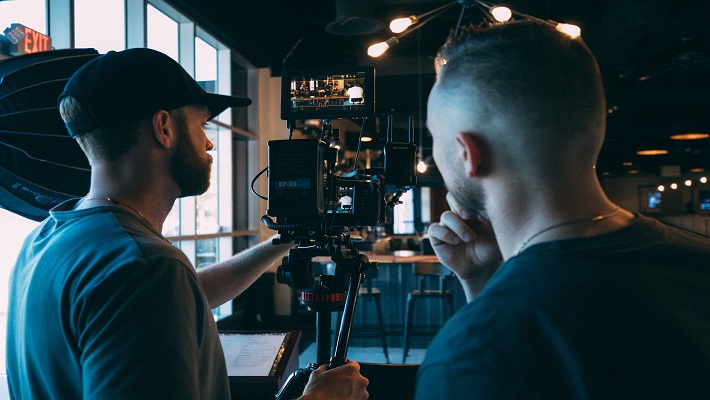
Questions to Ask Yourself Before Choosing
If you are still unsure, ask yourself these questions honestly.
You may lean toward film direction if:
- You enjoy storytelling
- You like leading teams
- You think about characters and emotions
- You enjoy making decisions
- You want to oversee the entire creative process
A Film Direction Course in Thane can help students build these skills through practical projects and real production experiences.
You may lean toward cinematography if:
- You love visual details
- You are fascinated by cameras and lighting
- You notice framing in films
- You enjoy experimenting with visual styles
- You want to create cinematic imagery
A good cinematography course should help you understand both technical skills and creative thinking.
Can You Learn Both?
Absolutely.
Many successful filmmakers begin by exploring multiple aspects of filmmaking before choosing a specialization.
In fact, understanding both direction and cinematography can make you a stronger filmmaker overall.
Directors who understand visual language communicate better with cinematographers.
Cinematographers who understand storytelling create more meaningful visuals.
That is why many students initially join a broader film-making course in Mumbai before narrowing down their career path.
Exposure matters.
Sometimes the role you initially thought was right for you changes after practical experience.
Final Thoughts
There is no universally correct choice between direction and cinematography.
The right choice depends on how you naturally think and create.
If you love building stories, leading ideas, and shaping the complete creative journey, direction may feel like home.
If you love creating visual experiences, experimenting with light, and expressing emotion through imagery, cinematography might be the path for you.
Filmmaking is ultimately a collaborative art form. Every memorable film combines strong storytelling with powerful visuals.
The first step is not choosing what sounds impressive.
It is choosing what genuinely excites you enough to keep learning, experimenting, and creating.
Sometimes the best way to discover that is by stepping into a learning environment where you can experience the craft firsthand and understand where your strengths naturally emerge.