Introduction
In the world of cinema, every visual is elevated—or weighed down—by the invisible power of sound. The rustle of leaves, a distant car horn, a whispered confession… these details resonate deeply with audiences, sculpting emotion, tension, and immersion. If you’ve ever found yourself pausing during a movie to marvel at how sound “felt alive”, then you’re already sensing the magic of sound design.
Sound design isn’t just about audio; it’s the nuanced artistry behind storytelling, where subtle sonic choices convey narrative rhythms and emotional arcs. This comprehensive guide is your sonic compass, aimed at helping you choose the right sound design course to align with your career aspirations—whether you’re leaning toward film, animation, gaming, documentaries, or interactive media. And since you’re here with e-Drishyam Film School, located in the vibrant hubs of Mumbai & Thane, you’ll find region-specific detail woven in. Let’s embark on a journey of ears, artistry, and opportunity.
Sound Designing: The Ears Behind The Art
Think about your favourite on-screen moment. Now turn off the volume. Chances are the moment isn’t nearly as decisive—or perhaps even recognisable. That’s the invisible artistry of sound design. Sound designers are the unsung composers of film, video, and beyond, layering ambient tones, dialogue clarity, emotional accents, and rhythm into a cohesive sensory journey.
Let’s unpack what sound design encompasses:
- Ambient Soundscapes – Creating a sonic environment (think: bustling streets, eerie forests, a spaceship hum).
- Sound Effects (SFX) – Crafting or sourcing discrete sounds (footsteps, door creaks, gunshots).
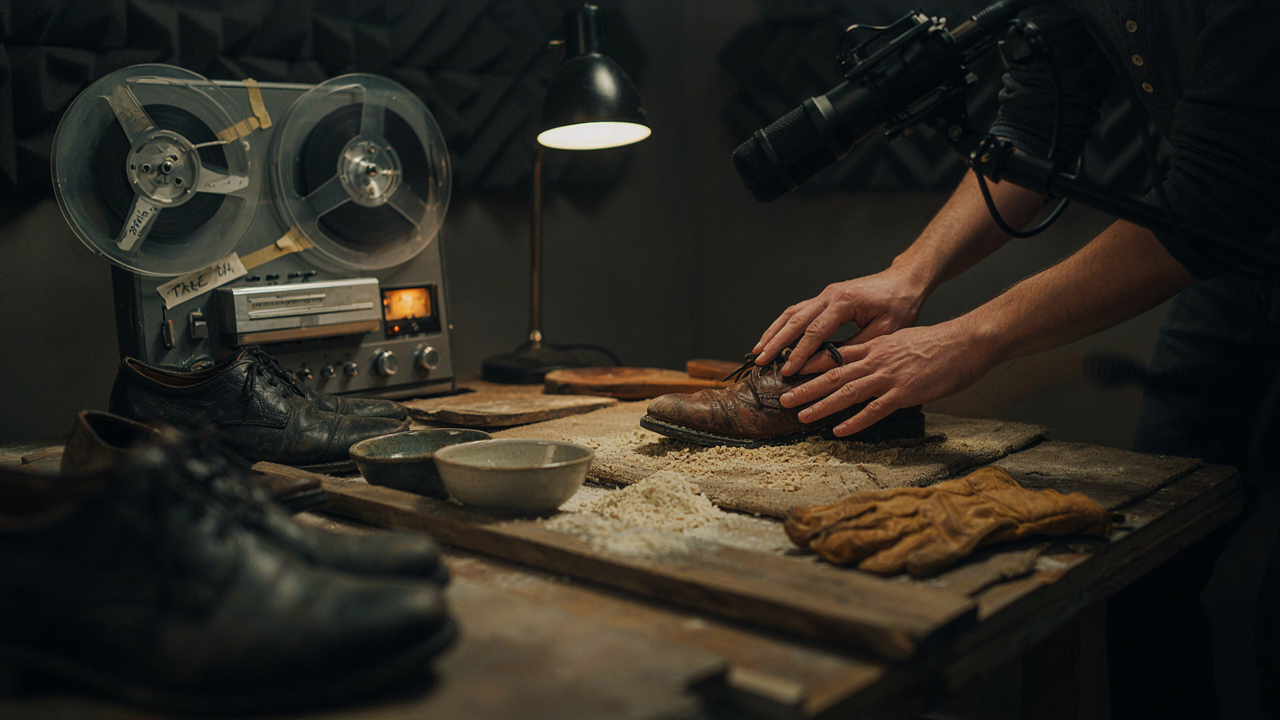
- Foley – Recording everyday sounds in sync with visuals to enhance realism.
- Dialogue Editing & Clean-up – Ensuring clarity and emotional fidelity in voice performances.
- Sound Mixing & Spatialization – Balancing various audio layers and crafting spatial depth using technologies like 5.1 surround or immersive audio (Dolby Atmos).
- Creative & Experimental Audio – Sound as an abstract, emotional tool beyond literal representation.
A great sound designer doesn’t just add sound—they shape experience. They wield silence, modulation, tonal shifts, and perspective to manipulate viewer perception in ways the camera alone cannot.
Sound Design Course: What Should It Offer?
When searching for the right course, think of it as a sound toolkit – what tools do you need? A robust, future-oriented curriculum should cover:
1. Core Technical Foundations
- Pro Tools, Logic Pro, Adobe Audition, or similar DAWs.
- Microphone techniques and field recording.
- Foley techniques, either in-studio or DIY.
- Understanding file formats, bit-depth, sample rates, and delivery specs.
2. Creative & Conceptual Learning
- Sound narrative theory.
- Emotional layering of SFX and ambience.
- Field recording as storytelling.
- Sound for different genres (horror, drama, animation, documentary).
3. Real-World Application
- Projects like film shorts, game audio, and animation scenes.
- Collaborations with directors, animators, and game devs.
- Sound for immersive formats (VR, 360 projects).
4. Industry Exposure & Mentorship
- Guest lectures or workshops with professionals.
- Studio visits or internships.
- Portfolio guidance and feedback loops.
5. Soft Skills & Career Readiness
- Networking and pitching your work.
- Understanding industry roles (sound editor vs. designer vs. mixer).
- Freelancing and managing client relationships.
How to Choose the Right Sound Design Course for Your Career Goals
Choosing the right course is as personal as choosing your career path. Here’s a structured roadmap to make the decision resonate with your ambitions:
A. Clarify Your Career Vision
Do you want to work in mainstream Bollywood, ad films, gaming, VR/AR, or independent docs?
Are you aiming to be a sound designer, Foley artist, sound mixer, or audio for advertising specialist?
Understanding your end goal sets the foundation. If film is your love, study narrative-driven design. If games energise you, seek interactive audio modules and middleware learning (FMOD, Wwise).
B. Map Competencies to Course Offerings
Does the course teach Pro Tools, Dolby Atmos mixing, or spatial audio?
How strong is the creative sound theory vs. purely technical training?
Are real projects part of the syllabus? Real-world sims and studio feedback matter.
Is there a D.I.Y. Foley instruction? The ability to improvise sound creatively can be your edge.
C. Evaluate Faculty & Industry Networks
Faculty with hands-on experience give insights no textbook can match.
Film schools with strong film or game industry ties open doors through guest projects or internships.
D. Check Facilities & Tools
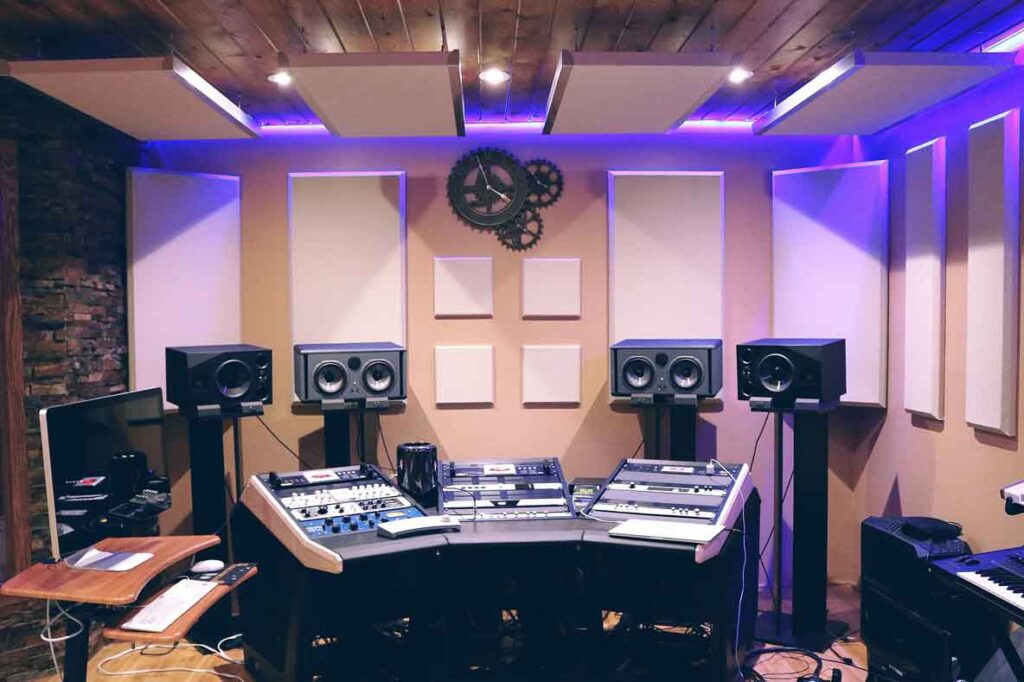
Do they have access to professional studios, recording booths, and editing suites?
What’s the availability of microphones, mixing consoles, or immersive audio setups?
E. Assess Peer Culture & Collaborations
Is it a small cohort that fosters cross-disciplinary collaboration (e.g., with directors, animators)?
Could you meet future collaborators among peers?
F. Value and Return on Investment
Consider course length, fees, equipment costs, placement rate, or student success stories.
Are there alumni from the program doing what you want—are they accessible mentors?
G. Flexibility & Support
Flexible timings for working professionals?
Online/offline or hybrid options?
Support with placements, showreels, and freelance mentorship?
Sound Design Courses in Mumbai & Thane – Spotlight on e-Drishyam Film School
Mumbai and Thane are pulsating hubs for media, offering a wealth of creative energy and opportunity. Among the institutions there, e-Drishyam Film School stands out for its thoughtfully designed sound courses. Let’s explore how it fits the criteria above.
About e-Drishyam Film School
Centred in Mumbai & Thane, e-Drishyam is dedicated to one principle: cinematic storytelling through holistic education. Their Sound Design Course is tailored to ground students in technical expertise, creative confidence, and industry readiness.
Why e-Drishyam?
Comprehensive Syllabus
- Pro Tools-centric training, covering dialogue cleanup, complex soundtracks, stereo and immersive mixing.
- Field recording and Foley modules using real-world locations across the city.
- Sound narrative, effect layering, and genre-specific sound crafting.
Hands-On Projects
- Real assignments with student filmmakers and animators.
- Film-based soundscaping, ad post-production, and game-design audio for small studios.
- Final project: Your own short’s entire sound mix, from scratch to deliverable.
Industry Mentorship
- Guest sessions with Mumbai’s active sound professionals—sound editors, mixers, ADR specialists.
- Portfolio evening events and feedback forums.
State-of-the-Art Infrastructure
- Professional-grade recording booths in Thane.
- Mixing suites with industry-standard gear, up-to-date DAWs, and surround capabilities.
Collaborative Community
- Students from multiple disciplines (direction, cinematography, editing) enrich the creative ecosystem.
- In-house festivals showing student pieces—ideal for sound professionals to shine.
Affordable & Career-Focused
- Competitive course fees with instalment plans.
- Alumni working in ad agencies, indie films, and audio post houses across Mumbai.
- Strong voiceover and dubbing studio pathways, too.
Why It Stands Out
- Location advantage: Situated in Thane and close to Mumbai’s vibrant film industry, you’re always within reach of professional studios, live sets, and networking events.
- Balanced teaching: Creative storytelling meets technical gravity—ensuring you’re not just trained, but you emerge with a strong voice.
- Personalised learning: Small class sizes mean attention, build close bonds with instructors and mentors.
- Holistic exposure: From Foley booth to field recording on the streets of Mumbai, you get the full audio spectrum.
A Closer Look – How e-Drishyam Aligns with Your Career Goals
1. Narrative Film Sound Designer
You want to craft emotionally resonant audio for dramas, arthouse films, or Bollywood features. e-Drishyam’s modules in dialogue clarity, ambience layering, and immersive mixing will equip you with the essential palette and practical experience to deliver polished cinematic audio.
2. Foley & Effects Specialist
If creating tactile, synchronised sounds is your calling, the Foley and fieldwork components of the course let you build those skills hands-on. Recording real footstep effects, crafting texture with propry, or layering ambient genre-specific sounds will be second nature by course end.
3. Gaming & Interactive Audio
You may be targeting video game studios or virtual experiences. e-Drishyam may not centre on interactive middleware like Wwise, but its adaptability, creative sound layering, and flexible project structure let you create interactive audio experiments, especially if you’re willing to supplement with extra learning.
4. Location Sound / Documentary Audio Specialist
For documentaries or vérité-style work, the field recording and location audio modules are invaluable. Recording live sounds, managing noise, capturing clarity in unpredictable environments—all in the heart of Thane/Mumbai’s diverse soundscape.
5. Ad & Short-Form Content Audio Specialist
Quick-turn projects, sharply edited sound, and punchy mixes can flourish through e-Drishyam’s short film and commercial audio modules. Polish your pace, punch, and polish in ad-like final assignments.
How to Get the Most Out of the Course at e-Drishyam
A. Treat It Like a Mini-Studio Apprenticeship
Volunteer early for cross-department exercises.
Ask peers for direction or editing to collaborate.
Practice every tool—from Pro Tools shortcuts to Foley object improvisations.
B. Build a Portfolio with Purpose
Document all work, even early experiments.
For your final project, aim for professional polish—treat it like a product, not just practice.
Showcase versatility: include narrative, ambient, dialogue clean-up, etc.
C. Network Actively
Attend Mumbai sound meetups, indie film screenings, or audio workshops.
Stay connected with guest mentors.
Ask for small freelance gigs to build your resume.
D. Embrace Experimentation
Record field observations early mornings near Thane station, seashores, bazaars—create your archives.
Sound-design a genre you’ve never tried (e.g., horror, sci-fi).
Play with abstract audio—stretch, reverse, pitch-shift for creative insight.
E. Keep Learning Beyond the Course
Dive into middleware tools like FMOD or Wwise post-course.
Learn immersive formats (Dolby Atmos, Ambisonics).
Keep your DAW fluency sharp—take on online challenges or contests.
Conclusion
Sound design is where emotion resonates, where you transform silence into storytelling. Choosing the right course isn’t just about learning how to edit—it’s about forging your creative identity, shaping sonic narratives, and carving a career path that resonates with your deepest aspirations.
Mumbai & Thane, with their unique urban soundscapes and media vitality, are brimming with opportunities. e-Drishyam Film School steps into this landscape as a beacon, offering a sound design curriculum that blends technical mastery, creative courage, and professional readiness.
Ready to elevate your ears, amplify your craft, and become part of Mumbai’s storytelling pulse? e-Drishyam Film School’s Sound Design Course could be your most transformative next step.
Cause sometimes, what you hear defines everything you feel.